Please note that our website will be temporarily unavailable for scheduled maintenance and updates from 3:00 pm on Saturday, July 19 (MDT) until 9:00 am on Sunday, July 20 (MDT). We apologize for any inconvenience and appreciate your patience as we make improvements to serve you better. If you have any urgent questions during this time, please email us at support@truegarden.com. Thank you for your understanding.
Important Shipping Update for Canadian CustomersDue to the ongoing postal strike in Canada, we are currently unable to ship orders to Canadian addresses. We deeply regret any inconvenience this may cause and appreciate your understanding during this time.
We are closely monitoring the situation and will resume shipping to Canada as soon as postal services are restored. If you have any questions or need assistance, please don’t hesitate to contact us using our "Need Assistance" button below.
Thank you for your patience and continued support.
Sincerely,
The True Garden Team
The 2025–2030 Dietary Guidelines: Eat Real Food, Ditch the Junk
America’s new dietary guidelines are here—and this time, the message is refreshingly simple:
Eat real food. Cut the crap. Move your body.
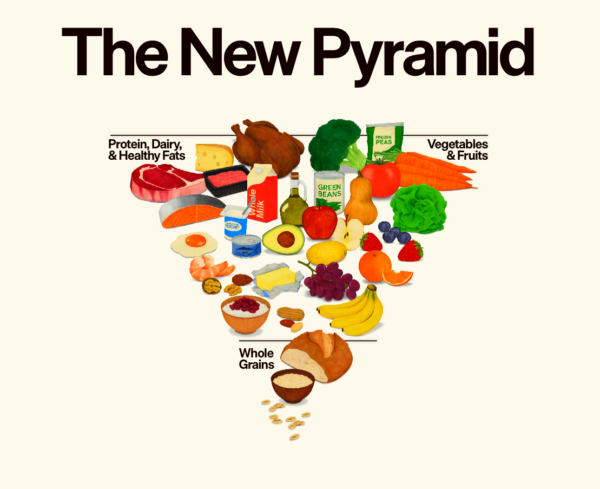
The 2025–2030 Dietary Guidelines for Americans represent a dramatic reset in federal nutrition policy, prioritizing whole, nutrient-dense foods and calling for a sharp reduction in highly processed junk. If you’re tired of complicated health advice, here’s what you actually need to know.
What Should You Eat More Of?
1. High-Quality Protein
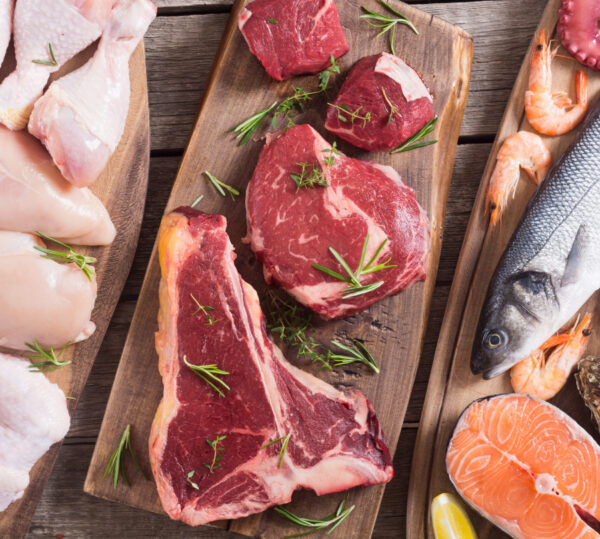
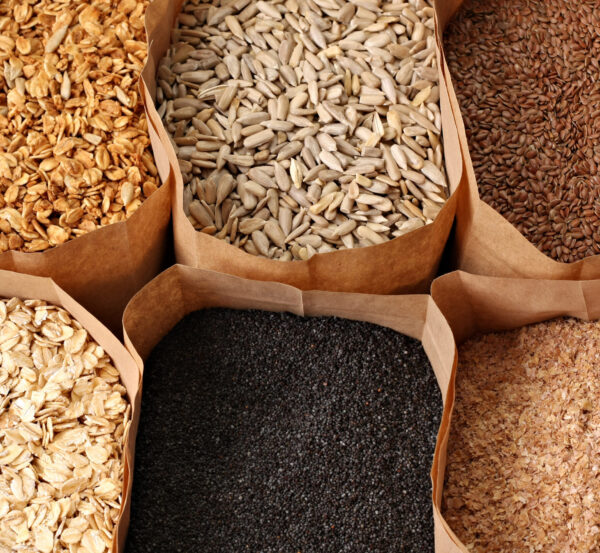
The new guidelines encourage Americans to consume a wide variety of protein sources, including both animal-based and plant-based foods. This includes eggs, poultry, beef, pork, seafood, beans, lentils, legumes, nuts, seeds, and soy.
Protein is essential for building and maintaining muscle, supporting immune health, and stabilizing blood sugar. Aiming for 1.2–1.6 grams of protein per kilogram of body weight per day ensures adequate intake, especially for active individuals, older adults, and those recovering from illness.
2. Full-Fat Dairy
Dairy provides high-quality protein, calcium, vitamin D, and other essential nutrients. The new guidelines favor full-fat dairy over low-fat alternatives due to its role in satiety, brain development (especially in children), and better nutrient absorption. Avoid sweetened versions—stick to plain milk, yogurt, and cheese. Aim for three servings per day, adjusted for individual needs.
3. Colorful Fruits & Vegetables
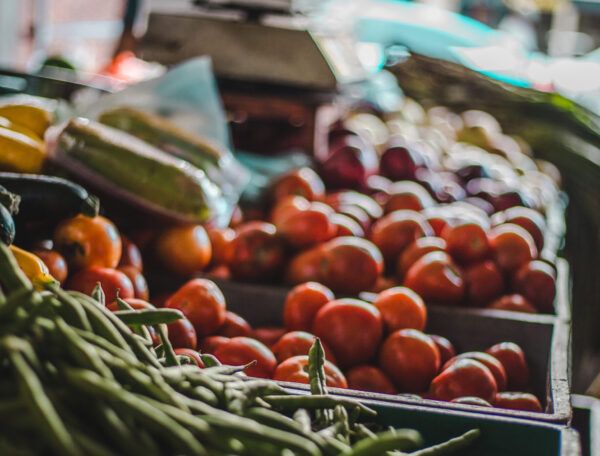
Eat the rainbow. Fresh, raw, or lightly cooked produce is ideal, but frozen and canned can be great too—just avoid added sugars and heavy syrups. Wash produce well, and choose whole fruits and veggies whenever possible. Limit fruit juice and dilute if consumed.
Goals: 3 servings of vegetables and 2 servings of fruit per day for a 2,000-calorie diet.
4. Healthy Fats
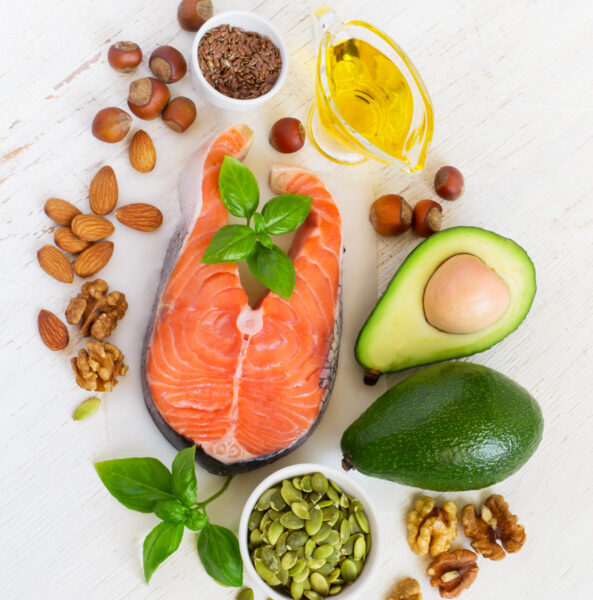
Healthy fats are found in whole foods like eggs, full-fat dairy, fatty fish (salmon, sardines), nuts, seeds, olives, and avocados. Use fats like extra virgin olive oil for cooking, and minimize vegetable oils high in omega-6s.
Keep saturated fat below 10% of daily calories, mainly by avoiding processed foods rather than cutting real food sources like meat or butter.
5. Whole Grains
Opt for fiber-rich grains like brown rice, quinoa, oats, and whole wheat. Limit refined grain products like white bread, crackers, and sugary cereals.
Suggested intake: 2–4 servings per day, depending on energy needs.
What Should You Cut Back On?
1. Highly Processed Foods
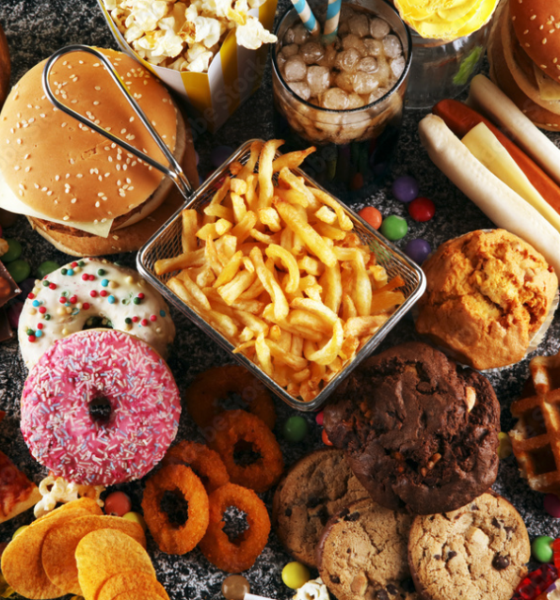
The Standard American Diet is overloaded with ultra-processed foods—think frozen dinners, chips, cookies, sweetened drinks, and packaged snacks. These are often loaded with refined grains, sugars, seed oils, and chemical additives that harm gut health and drive chronic disease.
2. Added Sugars
Sugars hide under names like glucose, sucrose, high-fructose corn syrup, maltose, dextrose, fruit juice concentrate, and more. No added sugar is considered necessary or healthy. Limit added sugars to under 10g per meal or snack.
Be aware of sugars in ‘healthy’ items like yogurt, salad dressing, bread, and granola bars.
3. Refined Carbohydrates
White flour products like bagels, tortillas, crackers, and cookies are rapidly absorbed and spike blood sugar. These empty carbs displace more nutritious food and contribute to insulin resistance and weight gain.
4. Artificial Additives & Sweeteners
Avoid foods with artificial dyes, flavors, preservatives, and sweeteners. Ingredients like aspartame, sucralose, saccharin, Red 40, and Yellow 5 have no place in a nourishing diet.
5. Alcohol
Alcohol offers no nutritional benefit and can disrupt liver function, hormones, sleep, and mental health. The guidelines recommend minimizing alcohol intake, especially for those at risk for addiction, pregnant women, or anyone on medications that interact with alcohol.
Also Important
Drink water—still or sparkling, just unsweetened. Hydration is essential for digestion, energy, and mental clarity. Support gut health by eating fiber-rich foods and fermented products like yogurt, sauerkraut, kimchi, kefir, and miso. A healthy microbiome supports everything from immunity to mood.
Children, Teens & Special Populations
Kids need whole foods too. Focus on full-fat dairy, quality protein, fruits, veggies, and whole grains. Avoid added sugars entirely in infants and toddlers. Teens especially need calcium, iron, and vitamin D for bone growth and hormone health. Get them involved in meal prep—it builds lifelong skills.
Final Thoughts
The new dietary guidelines don’t push fads or food fear—they promote common sense. Choose whole foods. Cook more. Cut the sugar and junk. Move your body. This is the formula for strength, clarity, and long-term health.
Eat real food. Ditch the garbage. Let’s get to work.